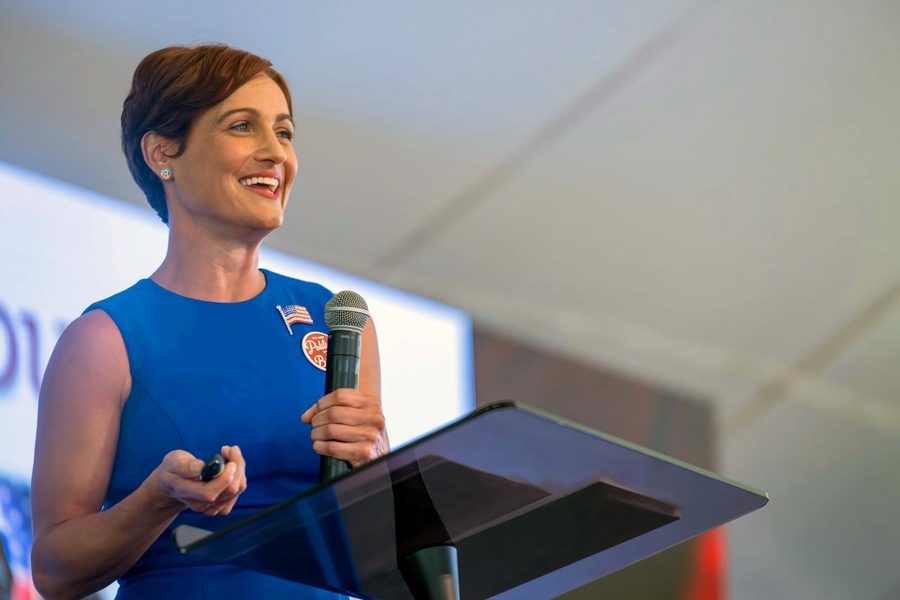
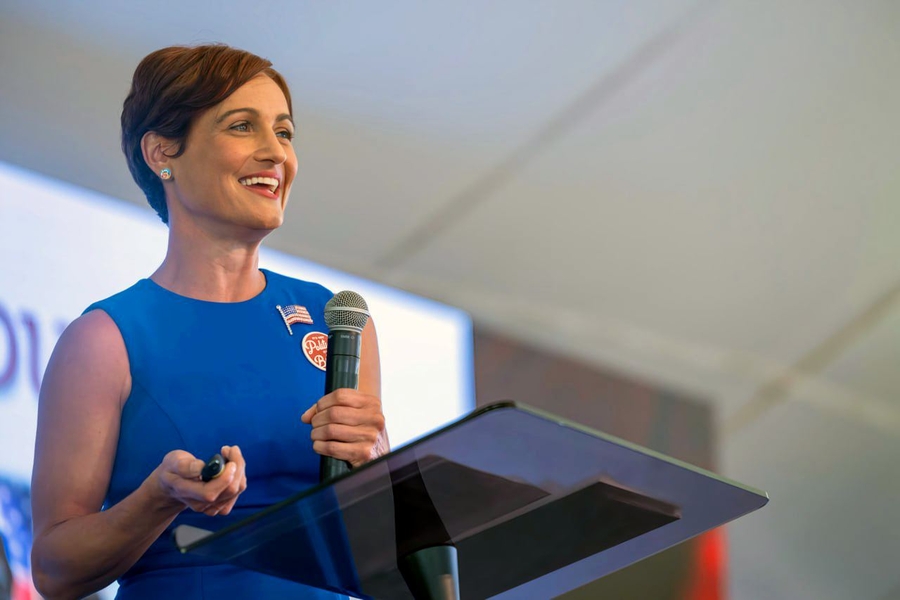
Phoenix, Arizona – November 27, 2025 — In a move hailed as a milestone for civic engagement, the Phoenix City Council has introduced a participatory budgeting programme that will allow residents to directly decide how $50 million of municipal funds are allocated for the 2025–26 fiscal year. The initiative, announced at Wednesday’s council meeting, marks the largest commitment to participatory budgeting in the city’s history and signals a new era of collaboration between local government and the community.
Participatory budgeting, a democratic process in which community members propose and vote on public spending projects, has gained traction in cities worldwide. Phoenix’s approach, however, stands out for both its scale and its focus on inclusivity. The $50 million fund will be open to proposals from all city residents, regardless of age or citizenship status, with a special emphasis on engaging historically underrepresented neighbourhoods.
Mayor Kate Gallego described the initiative as “a transformative step towards building a city that truly reflects the voices and priorities of its people.” She added, “By placing decision-making power directly in the hands of our residents, we are strengthening trust, promoting transparency, and ensuring that every community has a stake in Phoenix’s future.”
The participatory budgeting process will unfold in several phases over the coming year. Beginning in January, residents will be invited to submit project ideas through a new online portal and at a series of in-person workshops held across the city’s diverse districts. City staff and a volunteer steering committee, composed of community leaders and subject matter experts, will review submissions for feasibility and compliance with municipal guidelines.
Once the proposals are vetted, Phoenix residents will have the opportunity to vote on their preferred projects in May. The city has committed to making the voting process as accessible as possible, offering multilingual ballots, mobile voting stations, and targeted outreach to ensure broad participation. Winning projects will be incorporated into the city’s 2025–26 budget, with implementation beginning in the summer.
Vice Mayor Laura Pastor, who championed the initiative, highlighted its potential to address pressing local challenges. “From improving public parks and libraries to expanding youth programmes and enhancing neighbourhood safety, participatory budgeting empowers residents to direct resources where they are needed most,” Pastor said. “It’s about making government more responsive and accountable to the people it serves.”
Community organisations have welcomed the announcement, noting the potential for the process to foster greater civic pride and social cohesion. Maria Hernandez, director of the Phoenix Community Alliance, praised the council’s commitment to equity. “For too long, many voices in our city have gone unheard when it comes to how public funds are spent,” Hernandez said. “This initiative is a powerful tool for bridging divides and ensuring that every neighbourhood, especially those that have historically been overlooked, can shape Phoenix’s future.”
The city has partnered with the Participatory Budgeting Project, a national non-profit specialising in democratic innovation, to provide technical assistance and ensure best practices are followed. The process will be guided by principles of transparency, inclusivity, and accountability, with regular progress updates shared publicly.
Phoenix’s participatory budgeting fund will be divided among several categories, including infrastructure, public health, environmental sustainability, and community services. Residents will be encouraged to propose both capital projects, such as playground renovations or street improvements, and programme-based initiatives, such as job training workshops or mental health services.
The council’s decision comes after months of public consultation and builds on successful pilot programmes in other American cities. In Seattle, for example, participatory budgeting has been credited with increasing youth engagement and directing resources to underserved communities. Phoenix officials hope to replicate and expand upon these successes, tailoring the process to the city’s unique needs.
To ensure lasting impact, the city will conduct an independent evaluation of the programme’s outcomes and gather feedback from participants. City Manager Jeff Barton emphasised the administration’s commitment to continuous improvement. “This is a learning process for all of us,” Barton said. “We are eager to listen, adapt, and make participatory budgeting a permanent fixture of Phoenix’s governance.”
As the city prepares to launch the first round of idea submissions in January, anticipation is building among residents eager to have their say. Local high school student Jordan Lee, who plans to submit a proposal for expanded after-school activities, summed up the mood: “It’s exciting to know that my ideas—and the ideas of my friends and neighbours—can make a real difference in our city.”
With $50 million on the table and a citywide invitation to participate, Phoenix is poised to set a new standard for democratic innovation and community-driven progress.
—
Image Credit: Photo by emilydillstrock on Unsplash